DIY vs. Professional Fence Installation: Why Choosing an Expert Saves You Time and Money
When residential owners consider the task of putting up a fence, they often weigh the benefits and drawbacks of doing it themselves versus employing an expert. Even though the prospect of reducing expenses through a self-managed project is enticing, the potential pitfalls can lead to increased costs and time. Trained specialists offer knowledge and effectiveness, which can prove critical when addressing intricate installation demands. This brings up a key consideration: What genuine advantages come with choosing professional installation?
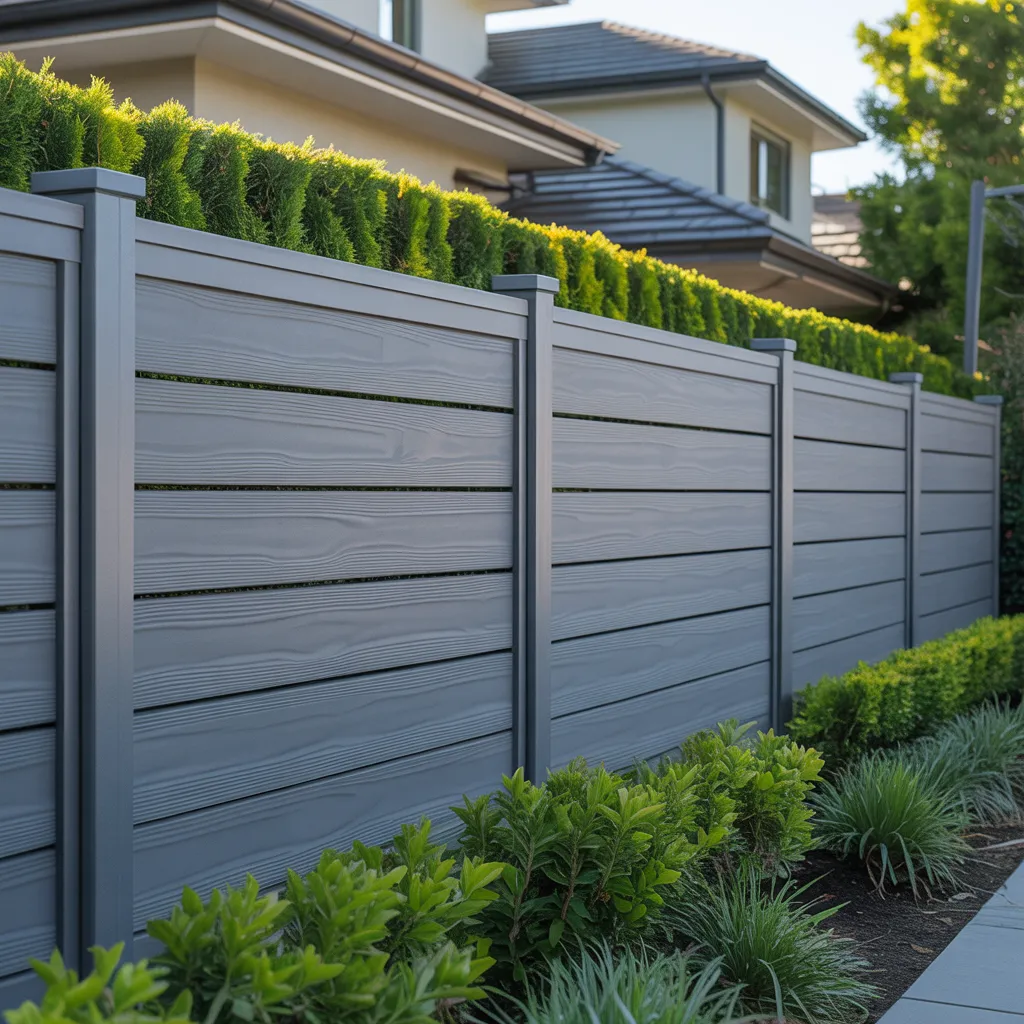
The Advantages of Professional Fence Installation
Although some homeowners might attempt a DIY approach to fence installation, the advantages of hiring professionals often outweigh the initial cost. Professional installers bring expertise that guarantees the fence is erected correctly and efficiently. They utilize specialized tools and equipment, which lowers the chance of errors and boosts overall quality. Furthermore, their experience enables them to handle obstacles such as uneven terrain or local regulations, which can hinder DIY projects.
Additionally, working with skilled contractors often results in quicker project timelines, releasing homeowners from the stress of extended projects. Expert contractors also offer guarantees on their installations, providing confidence pertaining to durability and maintenance. Such guarantees help alleviate concerns about long-term issues that may stem from faulty installation. In summary, the merits of professional fencing services include skilled workmanship, reduced timelines, and lasting dependability, making it an ideal option for countless homeowners.
What Does Professional Installation Cost?
The expense of professional fence installation may vary considerably depending on a number of factors, such as materials, labor, and site conditions. Recognizing these factors is crucial for homeowners thinking about this option. Furthermore, assessing the long-term value may help determine if the investment is suited to future requirements and property value enhancement.
Elements Affecting Installation Cost
Many elements influence the full price of hiring a professional to install a fence, making it essential for homeowners to understand what contributes to these expenses. The materials chosen—such as wood, metal, or vinyl—significantly impacts the overall cost. Furthermore, the size and scope of the fence significantly matter; larger fencing projects require a larger budget. Workforce expenses also fluctuate based on installation complexity and prevailing local rates. Terrain and site factors, such as accessibility and terrain, can further affect costs, as more resources or site preparation may be needed. To conclude, any necessary permits or inspections must be factored in, adding to the total expense. Knowing these key considerations enables homeowners to budget wisely for their fence installation.
Long-Term Value Considerations
Grasping the costs related to professional fence installation extends beyond the upfront expenses. While the upfront fees may seem higher in comparison to DIY options, the extended value frequently warrants the investment. Professionals bring expertise that secures proper installation, which can minimize the need for pricey repairs and maintenance as time goes on. Additionally, a expertly installed fence can enhance property value and curb appeal, potentially delivering a return on investment when listing a property for sale. The learn more longevity of professionally installed materials often surpasses DIY alternatives, minimizing future replacement costs. Ultimately, working with a professional can lead to substantial cost reductions and peace of mind, making the initial expenditure worthwhile in the context of long-term benefits.
Frequent Difficulties of DIY Fence Projects
Embarking on a DIY fence project can soon uncover a host of unforeseen challenges. Homeowners often misjudge the intricacy of proper planning, including property line assessments and obtaining necessary permits. Without an accurate survey, they risk encroaching on neighbors' land or breaching local ordinances.
Furthermore, identifying the right supplies and equipment can be overwhelming. A lack of experience may result in acquiring insufficient materials or miscalculating quantities, causing additional expenses and setbacks. Correct techniques for installation are critical; poor alignment or shallow post depth can weaken the fence's longevity and performance.
Moreover, many DIYers lack the experience to anticipate weather-related setbacks, which can halt the project. Demanding manual labor, such as excavating post holes or maneuvering cumbersome materials, can also deter even the most motivated individuals. Such obstacles underscore the difficulties inherent in DIY fencing endeavors, prompting many to reconsider the value of professional expertise.
Ways Professionals Can Save You Valuable Time
When evaluating fence installation, professionals offer notable time benefits compared to DIY attempts. Their expertise in designing and carrying out projects promises speedier results and limits delays. This streamlined approach enables homeowners to benefit from their new fencing without the extended wait typically attributed to self-installation.
Faster Project Completion
Employing professional installers greatly expedites the fence installation process. Professionals come equipped with specialized tools and expertise, enabling them to finish projects faster than most DIY homeowners. Whereas a homeowner could spend days or even weeks completing the installation, skilled teams commonly wrap up the job within hours or days, according to the scale of the installation. Their expertise with different materials and approaches empowers them to resolve issues efficiently, reducing setbacks. Furthermore, professional crews generally operate in a coordinated manner, splitting responsibilities to maximize efficiency. This not only hastens the installation but also lowers the probability of errors that might delay completion. In the end, engaging professionals ensures on-time project completion, allowing homeowners to enjoy their new fence sooner.
Expert Planning and Execution
Although many homeowners tend to overlook the significance of careful planning, skilled fence professionals know that detailed preparation is critical to achieving a successful fence installation. Professionals start with a thorough evaluation of the property, accounting for variables such as topography, soil composition, and zoning requirements. This comprehensive method ensures that all required materials are obtained and that the layout corresponds with the homeowner's expectations while complying with regulatory standards.
Additionally, professionals utilize modern tools and proven techniques, streamlining the installation process. Their expertise enables them to foresee possible obstacles and handle them in advance, preventing unnecessary slowdowns. Through strategic planning and effective team coordination, professionals not only save time but also minimize costly mistakes that frequently stem from poor planning. Fundamentally, thorough planning and expert execution deliver a refined, more effective installation.
How Professionals Navigate Local Regulations
Managing local regulations can be a daunting task for homeowners, but experts thrive in this area. Skilled fence installation specialists possess in-depth knowledge of zoning regulations, building codes, and permit obligations tailored to each region. They stay updated on shifts in local codes, ensuring adherence that homeowners may miss.
Additionally, experts often have strong connections with municipal officials, which can speed up the permitting process. This familiarity allows them to navigate any likely challenges efficiently, limiting interruptions that may result from misconceptions of regional requirements.
Additionally, professionals can assist homeowners in selecting appropriate materials and designs that satisfy local requirements, minimizing the risk of future fines or mandatory alterations. By leveraging their expertise, professionals streamline the installation process, saving homeowners from the stress and potential pitfalls of regulatory compliance. At the end of the day, working with a specialist not only secures conformity to legal standards but also boosts the overall productivity of the project.
Why Expert Installation Ensures Quality and Longevity
Maneuvering through local regulations is merely one component of ensuring a successful fence installation; the quality of workmanship plays a vital role in the fence's longevity. Experienced installers bring a wealth of expertise, utilizing techniques that ensure proper depth, alignment, and stability of fence posts. Their skill limits common installation problems, such as settling or leaning, which can weaken a fence's integrity over time.
Additionally, experienced technicians work with high-quality components, appreciating the complexities of diverse fencing options and how they hold up against environmental factors. This understanding helps prevent untimely wear and degradation, maximizing the service life of the fence installation.
In addition, experienced fitting typically involves appropriate sealing and finishing techniques that enhance weatherproofing capabilities. Through utilizing qualified installers, property owners can be certain that their fencing system will exceed as well as meet design goals but also endure for years to come, delivering confidence and limiting the frequency of frequent repairs.
Enduring Worth of Professional Fence Installation
Investing in professional fence installation offers substantial long-term benefits that frequently exceeds upfront costs. Expert installers bring expertise, making certain the fence is installed correctly, which reduces the likelihood of subsequent repairs. A properly installed fence can handle environmental pressures, prolonging its life considerably compared to DIY efforts that may weaken the overall structure.
Additionally, employing a professional often enhances property value. A skillfully installed fence not only upgrades visual appeal but also improves street-side appeal, making the property more attractive to potential buyers. This proves especially significant in real estate environments where curb appeal drives decisions.
Furthermore, professionals frequently offer guarantees, offering confidence that do-it-yourself installations typically lack. Such coverage for structural flaws or harm helps homeowners avoid unforeseen expenses down the line. Ultimately, the sustained commitment to professional installation demonstrates clear value, in both economic value and in preserving a home's structural quality.
Commonly Asked Questions
Can I Install a Fence Myself if I Lack Experience?
Yes, anyone can erect a fence without experience, but this can result in problems and costly errors. Research, planning, and patience are essential, though working with a professional can offer a more efficient and reliable outcome.
What Tools Are Required for DIY Fence Installation?
To install a fence, key tools needed are safety gear, a post hole digger, level, measuring tape, hammer, saw, fence panels, and concrete mix. These essential tools ensure correct installation and boost overall efficiency during the entire process.
How Can I Select the Best Fence Material?
Selecting the most suitable fence material requires considering durability, upkeep, appearance, and cost. Frequently used options include wood, vinyl, metal, and composite. Evaluating each material's advantages and disadvantages supports making an informed decision that meets individual requirements.
What Maintenance Do Fences Require After Installation?
Fences require consistent care, such as washing, examining for damage, and adding protective treatments. Timber fences benefit greatly from staining and sealing, whereas metal fences may require anti-rust treatment. Regular maintenance extends lifespan and preserves appearance.
How Can I Ensure My Fence Is Level and Straight?
To guarantee a fence is level and straight, one should use a long level or string line to guide the installation. Regularly check alignment during installation, making adjustments to posts as needed to ensure consistency throughout.